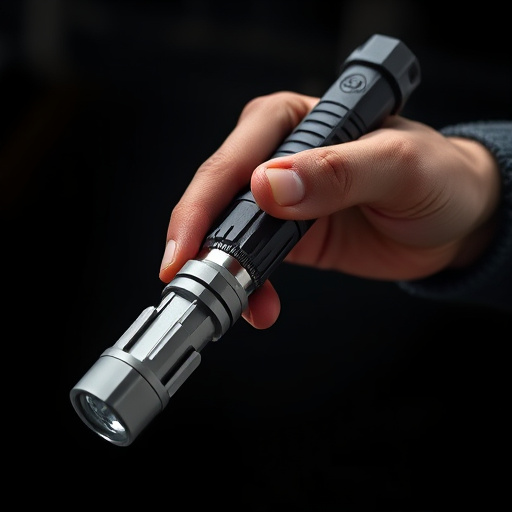
The self-defense expandable baton is a powerful tool for personal safety, offering quick extension, durability, and discreteness. Regular inspection is vital for optimal performance, focusing on tubing, joints, locking mechanisms, metal parts, springs, cables, and grip comfort. Repairing common issues like bent tubes, loose joints, and corrosion is crucial through disassembly, part replacement, tightening, corrosion removal, and re-assembly to ensure proper functionality.
“Unleash the power of self-defense with our comprehensive guide to mastering your collapsible baton. This essential tool, known as a self-defense expandable baton, offers versatility and protection.
Learn to inspect its crucial components during regular maintenance, ensuring peak performance. From identifying wear and tear to understanding key features, this guide is your compass. Then, when repairs are needed, follow our step-by-step instructions to restore your baton’s effectiveness, keeping you prepared for any situation.”
- Understanding the Self-Defense Expandable Baton: Features and Benefits
- Collapsible Baton Inspection: What to Look For During Regular Maintenance
- Repairing Your Self-Defense Tool: Step-by-Step Guide for Common Issues
Understanding the Self-Defense Expandable Baton: Features and Benefits
The self-defense expandable baton, also known as a tactical baton or collapseable baton, is a versatile and powerful tool designed for personal safety and law enforcement applications. This innovative device offers a range of features that make it a popular choice among individuals seeking effective self-defense options. One of its key advantages is the ability to extend and retract quickly, allowing users to adapt to various situations. With just a simple click or twist, the baton can be extended to its full length, providing added reach and force for deterring potential attackers.
These batons are crafted with high-quality materials, ensuring durability and reliability. Their lightweight design enables easy carrying, making it a convenient accessory for everyday use or during outdoor activities. The expandable mechanism is designed to lock into place securely, preventing accidental collapse. This feature ensures users have peace of mind, knowing their self-defense tool is always ready for action. Additionally, many models incorporate advanced features like impact-resistant construction and subtle designs that make them less obtrusive while still providing a powerful defense.
Collapsible Baton Inspection: What to Look For During Regular Maintenance
When inspecting a self-defense expandable baton, pay close attention to several key components during regular maintenance. First, check for any visible signs of damage or wear on the exterior tubing and joints. A damaged baton may not extend or retract properly, posing safety risks during use. Inspect all locking mechanisms and hinges, ensuring they operate smoothly and securely without any loose pieces or misalignments. Look for any rust or corrosion, especially in metal components, as these can compromise strength and functionality.
Additionally, verify the condition of the spring(s) responsible for the baton’s extension and retraction. A weakened spring may not provide sufficient force, rendering the baton less effective for self-defense purposes. Check for any signs of fraying or damage on the cables or strings that control the baton’s collapse. Lastly, ensure the grip section is secure and comfortable to hold, with no visible cracks or peeling in the material. Regularly inspecting these aspects will help maintain optimal performance and safety when deploying a self-defense expandable baton.
Repairing Your Self-Defense Tool: Step-by-Step Guide for Common Issues
Repairing your self-defense tool, like a collapsible baton, is an essential skill to ensure its longevity and effectiveness. Common issues can include bent or broken tubes, loose joints, and corroded components. Here’s a step-by-step guide to tackling these problems.
First, disassemble the baton completely by carefully unscrewing each section until all parts are separate. Inspect each component for damage, replacing any bent or broken pieces with new ones from a reputable supplier. Tighten any loose joints using the appropriate tools and lubricate them to prevent future issues. For corroded areas, use fine-grit sandpaper to gently buff away corrosion, then apply a suitable rust inhibitor to protect against future buildup. After ensuring all parts are in good condition, reassemble the baton, following the same careful procedure as disassembly, to maintain proper alignment and functionality.
Maintaining and repairing your self-defense expandable baton is essential for ensuring its effectiveness when you need it most. By regularly inspecting your baton, you can quickly identify any issues or wear and tear, allowing for prompt repair. With a little knowledge and the right tools, you can keep your self-defense tool in top condition, ready to protect you and your loved ones.